The Ultimate Glass Skin Routine: Your Complete Guide to a Flawless
Discover the science, the exact step-by-step methods, and the Korean beauty secrets to achieving a permanent, translucent complexion.
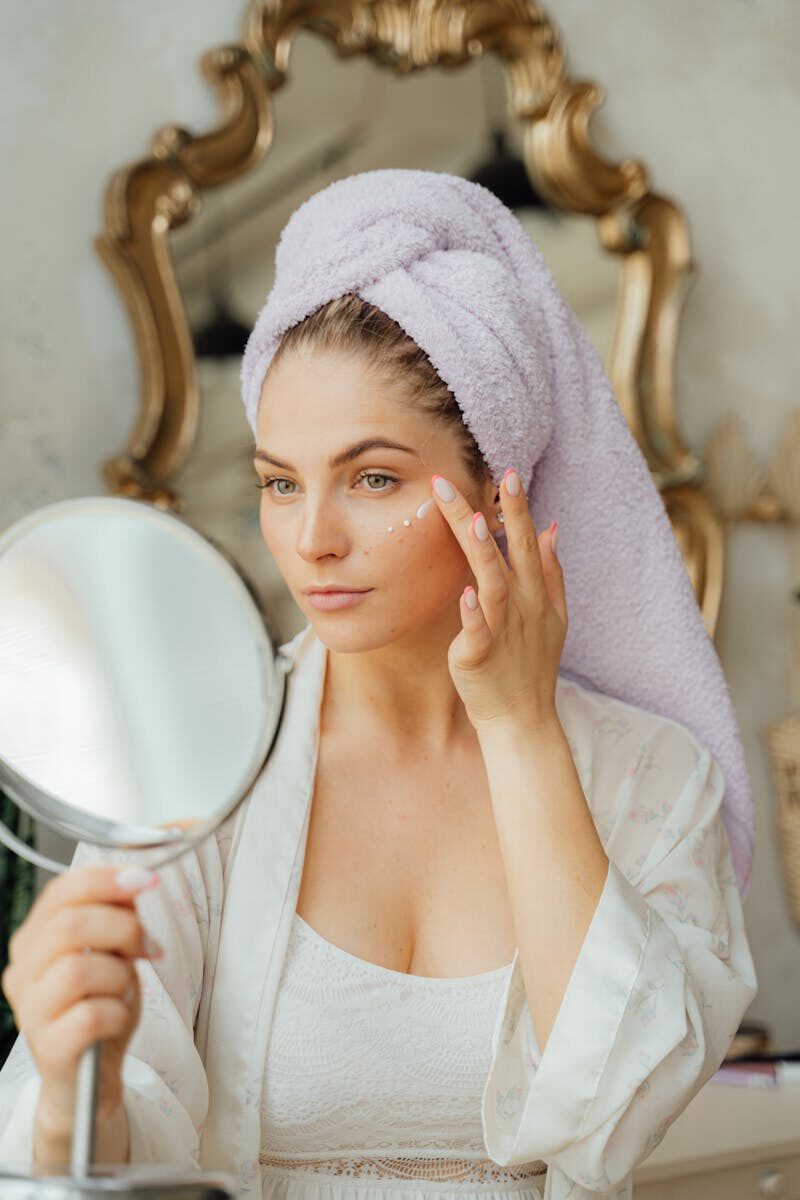
For years, the beauty industry has sold the illusion of a flawless complexion through high-coverage foundations, blinding highlighters, and silicone primers. But if you have ever looked closely at someone with true Korean glass skin, you notice something entirely different. There is no heavy makeup sitting on the surface. Instead, the skin itself looks like a pane of pristine, wet glass: poreless, translucent, and radiating light from within.
Learning how to get glass skin is not about finding the perfect makeup hack. It is a highly specific, methodical approach to dermal hydration, cellular turnover, and barrier repair skincare.
When your skin barrier is damaged, microscopic cracks form on the surface. Light hits your face and scatters, creating a dull, textured, and shadowed appearance. A proper glass skin routine floods those cellular cracks with water and then meticulously seals them shut with biomimetic lipids. When the surface is perfectly smooth and plumped with moisture, light reflects back evenly, creating that signature wet-skin glaze.
Whether you are just starting out or looking to perfect your layering techniques, here is the ultimate, scientifically backed Glass Skin Routine guide to achieving a permanent, makeup-free glow.
The Science of the Skin Barrier: Why the Glass Skin Routine Works
Before applying a single drop of product, it is crucial to understand the biology of a glow. You cannot achieve translucency if your foundational canvas is broken.
The Acid Mantle and pH Balance
Your skin has a natural protective film called the acid mantle, which hovers at a slightly acidic pH of roughly 4.7 to 5.5. This acidic environment keeps acne-causing bacteria at bay and keeps the skin barrier tight. When you use harsh, alkaline cleansers (like traditional bar soap), you strip this mantle. Stripped skin cannot hold water, making glass skin impossible.
The “Brick and Mortar” Biology
The outermost layer of your skin, the stratum corneum, is best understood through the “brick and mortar” analogy.
- The Bricks: These are your skin cells (corneocytes), which need to be plumped full of water.
- The Mortar: These are the lipids—specifically a matrix of ceramides (50%), cholesterol (25%), and fatty acids (15%)—that glue the cells together.
When this mortar is compromised by over-exfoliation, dry weather, or age, you experience Trans-Epidermal Water Loss (TEWL). Moisture literally evaporates right out of your face.
Cellular Turnover and Aging
In your early 20s, your skin naturally sheds its dead surface cells and replaces them with fresh, glowing cells every 28 days. As you age, this process drastically slows down to 45 or even 60 days. Dead cells pile up on the surface, absorbing light rather than reflecting it. To get glass skin, we have to artificially speed up this turnover using chemical exfoliants while simultaneously feeding the skin the exact lipids it is losing.
The Holy Grail Ingredients for Glass Skin Routine
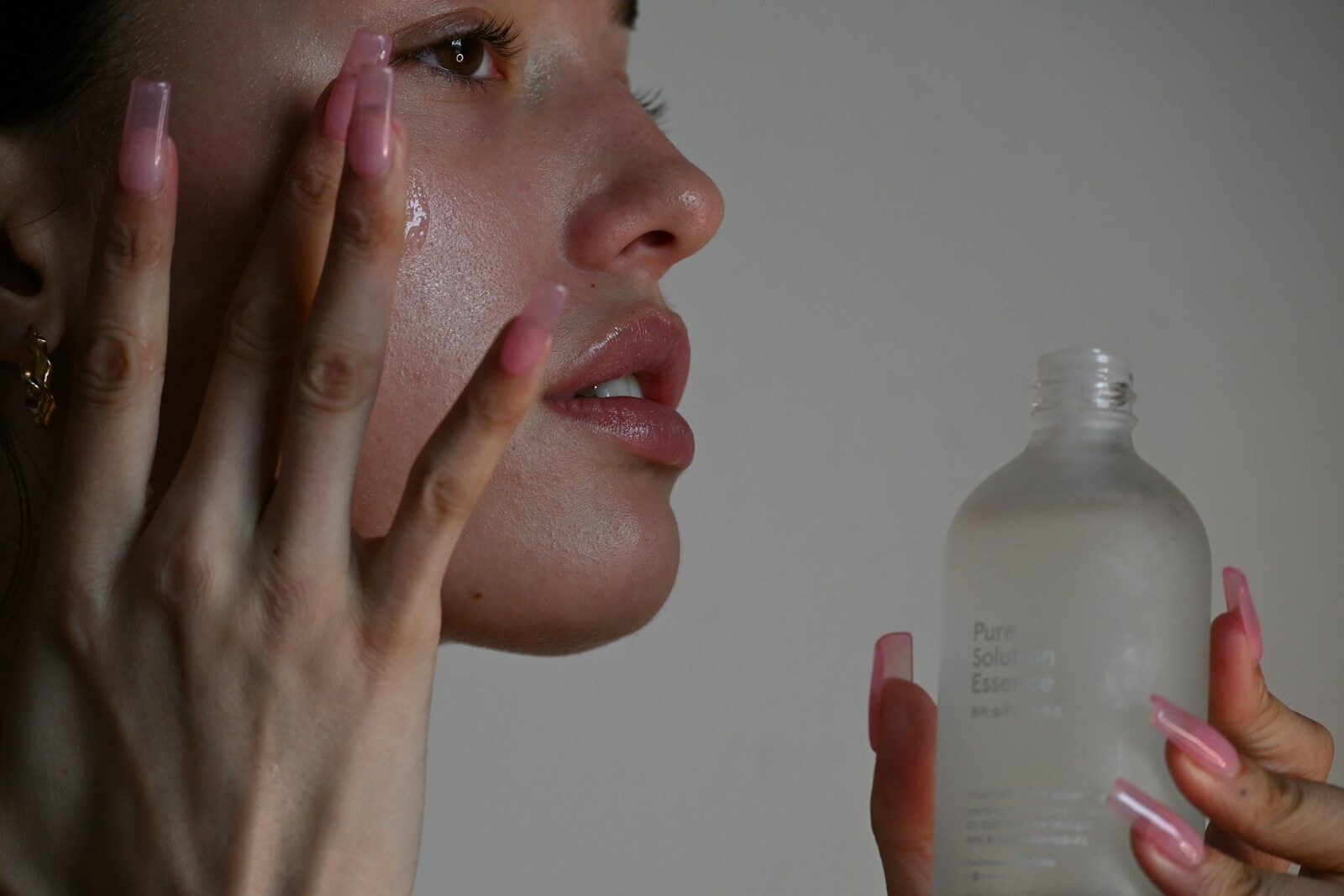
Not all skincare is created equal. To achieve the translucent look without clogging your pores, you need to look for specific, high-performance ingredients when shopping for glass skin products.
- Centella Asiatica (Cica): Often called “tiger grass,” this botanical extract is the ultimate barrier healer. It is rich in madecassoside, which drastically reduces the redness (erythema) and micro-inflammation that prevents a flawless, even skin tone.
- White Lupin Extract: A powerhouse for structural integrity. As we age, our skin loses its bounce. Extracts from white lupin seeds (often formulated in premium complexes) actively stimulate the production of high-quality Type I collagen. Using collagen for glass skin ensures the “bricks” of your skin remain firm and lifted, preventing sagging pores.
- Squalane: Your skin naturally produces squalene, but production plummets in your 30s. Squalane (the stable, hydrogenated version, often derived from olives) is a biomimetic lipid. Because your skin recognizes it, it absorbs instantly without any greasy residue, making it the perfect weightless moisture locker.
- Pure Pearl Powder: An ancient, time-tested secret in Asian beauty rituals. High-quality PurePearlPowder is rich in conchiolin, a protein that behaves similarly to human keratin. It naturally diffuses light, accelerates cellular repair, and brightens hyperpigmentation without the irritation of harsh synthetic acids.
- Hyaluronic Acid & Glycerin: The ultimate humectants. These act like molecular sponges, pulling ambient moisture from the air and drawing it deep into the epidermis to create that bouncy, water-logged look.
Decoding Product Textures: What to Look For
The Korean glass skin routine method is entirely based on the art of layering skincare for glowing skin. The golden rule is to always apply products from thinnest to thickest. But how do you identify them? Here is what you should physically feel when testing products:
- The Watery Essence: This should feel almost exactly like water, perhaps with a slight, silky slip. If you put a drop on the back of your hand, it should run immediately. It is designed to vanish into the skin within seconds, leaving zero tackiness behind.
- The Viscous Serum: A serum is slightly thicker. It holds its shape for a second when dropped onto the skin before slowly dripping down. When rubbed in, it should have a luxurious “slip” and leave the skin feeling slightly tacky or “grippy” for a minute while the active ingredients penetrate.
- The Dry Oil: A true premium facial oil does not feel like cooking oil. It feels incredibly light and spreads instantly. A dry oil (like one formulated with squalane and camellia) will sink into the skin within two minutes, leaving behind a velvety, soft-focus sheen rather than a heavy, suffocating slick.
The Step-by-Step Morning Routine for Glass Skin: Prep and Protect
Your morning routine is focused on flooding the skin with water and creating a perfectly smooth, protective canvas for the day ahead.
Your morning routine serves a completely different biological purpose than your nighttime routine. While you sleep, your skin repairs; when you wake up, your skin needs to be prepped for defense.
The goal here is to flood the skin with maximum water weight, seal it without causing midday grease, and protect your collagen from UV destruction. Here is the exact morning breakdown.
Glass Skin Routine Step 1: The Low-pH Gentle Cleanse
Do not use your heavy oil cleansers or foaming acne washes in the morning. When you wake up, your face is only covered in the remnants of your nighttime skincare and a little natural sebum.
- The Technique: For many with dry or sensitive skin, a simple splash of lukewarm water is entirely sufficient. If you have oily skin and need a cleanser, it must be a non-foaming, low-pH gel (around pH 5.5). If your skin feels “squeaky clean” after washing, you have just stripped your lipid barrier, and your skin will look tight and dull by 2:00 PM. It should feel soft and conditioned.
Routine Step 2: The Hydration Flood (The 7-Skin Method Deep Dive)
This is the heart and soul of the Korean glass skin technique. “Skin” is the Korean term for toner or essence. The 7-Skin Method involves applying up to seven micro-layers of a watery essence back-to-back.
- Why it Works: If you apply one thick, heavy layer of cream, it just sits on the surface of your skin. But by applying multiple, watery micro-layers, your skin acts like a sponge, absorbing the humectants deeper and deeper into the stratum corneum with every pass. This creates a profound, bouncy plumpness from within.
- The Technique: Pour a dime-sized amount of essence (look for Hyaluronic Acid, Glycerin, or Centella Asiatica) into your palms. Rub your hands together and press the liquid firmly into your cheeks, forehead, and chin. Wait about 30 to 60 seconds until it is almost dry, but still slightly tacky. Then, apply the second layer.
- Customization: You do not have to do seven layers. Oily skin might look like glass after 3 layers, while dehydrated winter skin might need all 7. Listen to your face.
Glass Skin Routine Step 3: The Antioxidant & Active Serum
With your skin cells now visibly plumped like water balloons, you need an active serum to provide a brightening effect and protect against free radicals (pollution and UV rays) throughout the day.
- The Texture Rule: Morning serums must be weightless so they do not pill under makeup. Modern hybrid formulas, structured exactly like the active lipid base of Facehue serums, are phenomenal here. They deliver skin-firming ingredients (like White Lupin Extract) while melting instantly into the skin, acting as a flawless, smoothing primer.
- The Brightening Factor: If you struggle with dullness, this is the perfect time to apply a gentle Vitamin C serum or a soothing PurePearlPowder extract to naturally diffuse light across your cheekbones.
Glass Skin Step 4: The Emollient Seal and SPF Defense
Water evaporates incredibly fast. If you walk outside right now, the dry air will suck all that 7-Skin hydration right out of your face.
The Ultimate Defense: The number one cause of enlarged pores, sagging, and dullness is UV-induced collagen degradation. You must apply a broad-spectrum SPF 50. Use the “two-finger rule”—squeeze two full lines of sunscreen down your index and middle fingers. That is the exact clinical amount needed to cover your face and neck and preserve your glass skin architecture.
The Seal: Apply a thin layer of a ceramide-rich gel cream. Ceramides are the “mortar” that locks those water “bricks” into place.
This 2026 CompleteGlass Skin Routine Guidance is at GlassSkinRoutine.COM
The Granular Nighttime Routine for Glass Skin: Repair and Seal
While you sleep, your skin goes into heavy repair mode. The nighttime routine is where you use your most potent actives and heaviest lipid seals to reconstruct your barrier.
Glass Skin Step 1: The Double Cleanse You cannot achieve a poreless look if your pores are congested with sebum and SPF.
- The Oil Cleanse: Massage a cleansing oil or balm onto a dry face. Oil attracts oil, effortlessly melting away waterproof makeup and daily pollution.
- The Water Cleanse: Follow up immediately with a water-based cleanser to wash away the emulsified impurities.
Glass Skin Step 2: Liquid Exfoliation (The Granular Breakdown)
Do not use physical walnut scrubs—they create micro-tears. Instead, use a liquid chemical exfoliant two to three times a week.
- AHAs (Alpha Hydroxy Acids): Water-soluble acids like Glycolic or Lactic acid. They melt the “glue” holding dead skin cells together on the very surface, instantly revealing brighter skin. Best for normal to dry skin.
- BHAs (Beta Hydroxy Acids): Oil-soluble acids like Salicylic acid. They dive deep into the pores to dissolve hardened sebum and blackheads. Best for oily or congestion-prone skin.
- PHAs (Polyhydroxy Acids): Large-molecule acids that exfoliate the surface very slowly without penetrating deeply. The absolute best choice for highly sensitive or rosacea-prone skin.
- The Wait Time Rule: Acids are pH-dependent. After applying your exfoliant, wait 15 to 20 minutes before applying your hydrating toners. If you apply a watery essence immediately, you will neutralize the acid before it has time to work.
Glass Skin Step 3: Targeted Actives & Sheet Masks Now that the skin is damp and receptive, apply treatments for dullness or hyperpigmentation. If you are using hydrating facial masks, this is the time to apply them. A sheet mask creates an occlusive physical barrier, forcing serums deeper into the skin. Unlocking your true glow means finding your exact BeautyPassword—the specific combination of ingredients (like aloe for soothing or collagen for plumping) that your unique skin chemistry responds to best.
Glass Skin Routine Step 4: The Final Seal (The Glass Skin Face Oil) This is the secret weapon for waking up with a glaze. Water evaporates quickly. To maintain hydration for 8 hours, you must seal the routine with a heavy lipid layer. Apply two to three drops of a high-quality glass skin face oil. Using a prestige, nutrient-dense formula—similar to the rich, botanical profiles of NileOil serums—ensures that all the hydration you just pumped into your face stays permanently trapped underneath, allowing the skin to repair itself overnight.
Topical skincare can only do so much if your internal environment is struggling. True translucency requires a holistic approach:
The Internal Glow: Diet and Lifestyle for Glass Skin Routine
- Hydration: Drink at least 2 to 3 liters of water daily. Dehydrated vital organs will pull water away from the skin first, leaving it looking deflated.
- Sugar Intake: Excess refined sugar causes glycation, a biological process where sugar molecules attach to collagen proteins, stiffening them and leading to sagging and dullness.
- Sleep: The body produces the vast majority of its human growth hormone (HGH) during deep REM sleep, which is directly responsible for cellular regeneration and tissue repair.
Frequently Asked Questions
Can I get glass skin in 3 days? While you can dramatically increase your skin’s hydration and temporary glow in 3 days using the 7-skin method and a sheet mask, true glass skin requires repairing the skin barrier and increasing cellular turnover. This process naturally takes 28 to 45 days of a consistent routine.
Is glass skin just oily skin? No. Oily skin is the result of excess sebum production, which often looks greasy, feels heavy, and sits on top of congested, textured pores. Glass skin is characterized by a high water content within the skin cells and a perfectly smooth, refined surface texture that reflects light naturally, without any greasy residue.
Will the glass skin routine cause acne? If done correctly, it should actually reduce acne. The double-cleansing method deeply cleans the pores, and keeping the skin heavily hydrated often signals your sebaceous glands to stop overproducing the oil that leads to breakouts. However, always patch-test new barrier repair skincare and heavy oils to ensure they are non-comedogenic for your specific skin type.
What is the most important step in the routine? Hydration and barrier protection. Without layering watery essences and sealing them with a high-quality lipid or moisturizer, the glass skin effect is impossible to maintain.
The Custom Glass Skin Guide: Modifying the Routine for Your Skin Type
The Custom Glass Skin Guide: Modifying the Routine for Your Skin Type
One of the biggest misconceptions in skincare is that the glass skin routine is a rigid, one-size-fits-all formula. It isn’t. Your skin barrier is entirely unique, dictated by your genetics, climate, and age.
If you apply a heavy, occlusive cream to oily skin, you will break out. If you apply a lightweight gel to mature skin, the water will evaporate in an hour. To achieve true translucency, you must become fluent in your skin’s specific needs and modify the steps accordingly.
Here is exactly how to tailor the glass skin method to your specific complexion.
Oily and Acne-Prone Skin (The Balance Method)
People with oily skin often fear the “glass skin” look, assuming it will just make them look greasy. In reality, oily skin is often deeply dehydrated; the sebaceous glands overproduce oil to compensate for a lack of internal water. By flooding the skin with hydration, you actually signal your pores to stop producing excess sebum.
- The Exfoliation Shift: Swap out surface-level AHAs for a dedicated BHA (Beta Hydroxy Acid) like Salicylic Acid. BHAs are oil-soluble, meaning they can cut through the grease sitting on your face, dive deep into the pore lining, and dissolve the hardened sebum that causes blackheads and textured bumps.
- The Hydration Strategy: Lean heavily into the 7-Skin Method using watery, fluid essences. You want maximum water with minimal weight.
- The Final Seal: Skip heavy creams entirely. Instead, lock in your water layers with a highly breathable, active lipid serum. Formulations modeled after Facehue serums are the holy grail here—they deliver the necessary barrier seal and active brightening agents without leaving a suffocating film on the skin.
This 2026 CompleteGlass Skin Routine Guidance is at GlassSkinRoutine.COM
Dry and Mature Skin (The Deep Moisture Method)
As we age, two things happen that destroy the glass skin effect: cellular turnover slows down (leaving a buildup of dull, light-absorbing dead cells), and our natural production of squalene plummets (destroying our lipid barrier). Mature skin needs aggressive hydration and heavy reinforcement.
- The Exfoliation Shift: Focus strictly on AHAs (Alpha Hydroxy Acids) like Lactic or Glycolic acid. These melt the “glue” holding dead skin cells to the surface, instantly revealing the fresh, reflective skin underneath.
- The Active Treatment: Mature skin requires structural support. Look for serums rich in peptides or white lupin extract to stimulate collagen. To combat age spots and uneven tone, incorporating PurePearlPowder treatments into your evening routine is phenomenal for accelerating cellular repair and diffusing light across the face.
- The Final Seal: This skin type cannot survive on gel moisturizers. You must cap your nighttime routine with a heavy, nutrient-dense occlusive layer. Massaging in a prestige facial oil—similar to the rich, botanical density of NileOil serums—provides the heavy lipid reinforcement needed to trap moisture for a full 8 hours of repair.
Sensitive and Rosacea-Prone Skin (The Calm and Repair Method)
If you have sensitive skin, your stratum corneum is already compromised. Micro-cracks in the barrier allow irritants in and water out, leading to chronic redness (erythema) and heat. You cannot have glass skin if your face is flushed and inflamed. Your entire routine must focus on soothing and repairing.
- The Exfoliation Shift: Absolutely no scrubs, and be very wary of strong AHAs or BHAs. Instead, use PHAs (Polyhydroxy Acids). PHAs have a much larger molecular structure, meaning they cannot penetrate deeply into the epidermis. They gently polish the very surface of the skin without triggering the immune response that causes redness.
- The Active Treatment: Your goal is to eliminate inflammation. Look for high concentrations of Centella Asiatica (Cica), Mugwort, and Panthenol. Finding the right soothing ingredients is the ultimate BeautyPassword for sensitive types; once you discover the botanical that lowers your skin’s temperature, stick to it religiously.
- The Final Seal: Keep it incredibly simple. Use a basic ceramide cream or a single-ingredient, cold-pressed oil (like pure squalane or camellia seed oil) that mimics human sebum so closely that the skin accepts it without irritation.
Troubleshooting the Glass Skin Routine: Common Mistakes and How to Fix Them
The journey to perfectly translucent skin is rarely flawless from day one. When you begin introducing multiple layers of deep hydration and active treatments, both your skin and the products themselves might react unexpectedly.
If your routine isn’t giving you that signature wet-skin glaze, you are likely hitting one of these common roadblocks. Here is how to diagnose and fix them immediately.
1. Product Pilling (When Skincare Rolls Off)
You have meticulously layered your watery essences and active serums, but the moment you apply your moisturizer or SPF, your skincare starts rubbing off in tiny, eraser-like shavings. This is called “pilling,” and it completely ruins the smooth canvas needed for glass skin.
- The Cause: Pilling happens for two reasons. First, you are not waiting long enough between layers, causing the formulas to mix into a sticky paste rather than absorbing. Second, you are mixing incompatible bases—usually a water-based essence with a heavy, silicone-based primer or cream.
- The Fix: The golden rule of layering is to allow 30 to 60 seconds of drying time between each step. Pat the product in; never aggressively rub. To avoid silicone clashes, upgrade your final seal to a biomimetic lipid. High-quality formulas, like the lightweight lipid structures found in Facehue serums, absorb almost instantly because the skin chemically recognizes them, eliminating the surface buildup that leads to pilling.
2. Skin Purging vs. Breaking Out
You introduce a new liquid exfoliant (AHA or BHA) to clear your pores, but within a week, you experience a sudden cluster of whiteheads. Should you stop the routine immediately? That depends on whether your skin is purging or breaking out.
- Skin Purging: Active acids drastically speed up cellular turnover. If you had microscopic, clogged pores brewing beneath the surface, the exfoliant forces them all to the top at once. Purging occurs strictly in areas where you normally get acne, and the pimples appear and heal much faster than normal. The Fix: Push through it. A purge typically lasts 4 to 6 weeks, after which your skin will emerge perfectly clear and highly reflective.
- Breaking Out: If you are getting painful, cystic acne in places you normally never break out, or if your skin is itching and red, this is an allergic reaction or a clogged pore from a comedogenic ingredient. The Fix: Stop using the new product immediately and evaluate your BeautyPassword to identify the exact botanical or oil that triggered the inflammation.
3. The “Tight but Greasy” Look (The Damaged Barrier)
You look in the mirror and your face has a high-shine, plastic-like reflection, but underneath, your skin feels painfully tight. When you apply your hydrating toner, it stings or burns.
- The Cause: This is not glass skin. This is the hallmark sign of a destroyed skin barrier. You have over-exfoliated and completely stripped your acid mantle. That unnatural shine is the inflammatory response of a naked, damaged stratum corneum trying to protect itself by overproducing sebum.
- The Fix: Stop all chemical exfoliants, Vitamin C, and harsh scrubs immediately. You must put your skin on rehab. Revert to a bare-bones routine: a gentle cleanser, a soothing centella essence, and a heavy barrier-repair seal. Gently pressing a few drops of a rich, restorative lipid blend—similar to the heavy, nutrient-dense profile of NileOil serums—will act as a protective artificial barrier while your skin takes the necessary 28 days to rebuild its own cellular mortar.
This 2026 Complete Glass Skin Routine Guidance is at GlassSkinRoutine.COM
Seasonal Adjustments: Maintaining Glass Skin Year-Round
Your skin is a dynamic organ that reacts immediately to its environment. The exact routine that gives you a flawless, dewy glaze in the humid days of July will likely leave your skin feeling tight, dry, and dull by the middle of December.
To maintain permanent translucency, you cannot rigidly stick to the exact same product weights all year. You must learn to “listen” to the weather and swap your hydration and lipid layers accordingly.
Winter Glass Skin (The Deep Moisture Defense)
Winter is the ultimate enemy of the skin barrier. The combination of freezing, whipping winds outside and dry, artificial central heating inside aggressively pulls water out of your stratum corneum. If you do not adjust your routine, you will experience severe Trans-Epidermal Water Loss (TEWL), resulting in a flaky, shadowed complexion.
- The Hydration Shift: During the winter, the standard 7-Skin Method might not be enough. Upgrade your watery toners to thicker, milky essences rich in ceramides and panthenol.
- The Exfoliation Shift: Dial back your chemical exfoliants. If you use an AHA three times a week in the summer, drop it down to once or twice a week. Your skin barrier is already compromised by the cold; do not strip it further.
- The Final Seal: This is the most crucial winter adjustment. You must swap your lightweight summer gel-creams for heavy, occlusive layers. Sealing your nighttime routine with a rich, prestige facial oil—leveraging the heavy, protective botanical profiles found in NileOil serums—will act as an impenetrable shield against the dry indoor heating, allowing you to wake up with a soft, plump glaze even in the dead of winter.
Summer Glass Skin Routine (The Weightless Glow)
In the summer, the air is thick with humidity, and your sebaceous glands are highly active due to the heat. If you continue using your heavy winter occlusives, your skincare will simply melt off your face, trap sweat beneath the surface, and cause massive congestion and breakouts.
- The Hydration Shift: Move away from thick, milky toners and return to pure, watery essences. The humidity in the air will actually help your humectants (like Hyaluronic Acid and Glycerin) pull moisture into your skin naturally throughout the day.
- The Active Treatment: Summer means increased UV exposure, which triggers melanin production and dark spots. To maintain an even, translucent tone without making the skin photosensitive, rely on gentle, non-acidic brighteners. Incorporating PurePearlPowder treatments is a phenomenal summer strategy to diffuse light and keep the complexion radiant without the sun-sensitivity risks associated with heavy AHA use.
- The Final Seal: Put your heavy oils and thick creams in a drawer until November. In the summer, you need highly breathable, active lipid layers. Formulations modeled after the weightless slip of Facehue serums are the ultimate summer seal—they lock in your watery layers and provide a flawless, glass-like finish that won’t suffocate your pores or melt in the heat.
The Final Glass Skin Verdict: Commitment to the Glow
Achieving true, Korean glass skin is not a weekend project, nor is it a temporary makeup trick. It is a fundamental shift in how you treat your skin barrier.
By prioritizing deep, watery hydration over harsh, stripping cleansers, and by meticulously sealing your skin with high-quality lipids, you stop fighting your complexion and start healing it. It requires patience to find your unique BeautyPassword and the discipline to execute the routine consistently.
But once you rebuild that cellular mortar and flood your skin with moisture, the results are undeniable. You will step out of the cycle of hiding behind heavy foundations and finally experience the freedom of a permanent, translucent, makeup-free glow.
This 2026 Complete Glass Skin Routine Guidance is at GlassSkinRoutine.COM